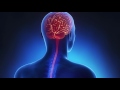





Phantom limb pain is a surprisingly common problem for people who have had a limb amputated. Even though the limb is no longer present, the brain and nervous system can continue sending pain signals that feel as if they are coming from the missing body part. This condition can cause sensations such as burning, . . .
Many people don't realize how deeply stress and physical trauma can affect the body long after an injury seems to have healed. Stress doesn't only come from emotional strain—it can also build up from physical injuries, accidents, repetitive strain, and even long-standing tension patterns. Over time, . . .
Trigeminal neuralgia is often described as one of the most intense and debilitating types of facial pain a person can experience. Attacks can strike suddenly and feel like electric shocks across the face, making everyday activities—like brushing teeth, washing the face, or even feeling a breeze—painful . . .
Cerebral palsy is a neurological condition that can affect movement, muscle control, balance, coordination, and posture. Many people with cerebral palsy also struggle with additional health challenges such as chronic pain, dizziness, fatigue, emotional stress, and difficulty with daily activities. A recent . . .